Lummi Nation
Artist / Activist / Storyteller
Indigenous artist working at the intersection of land, culture, and art.
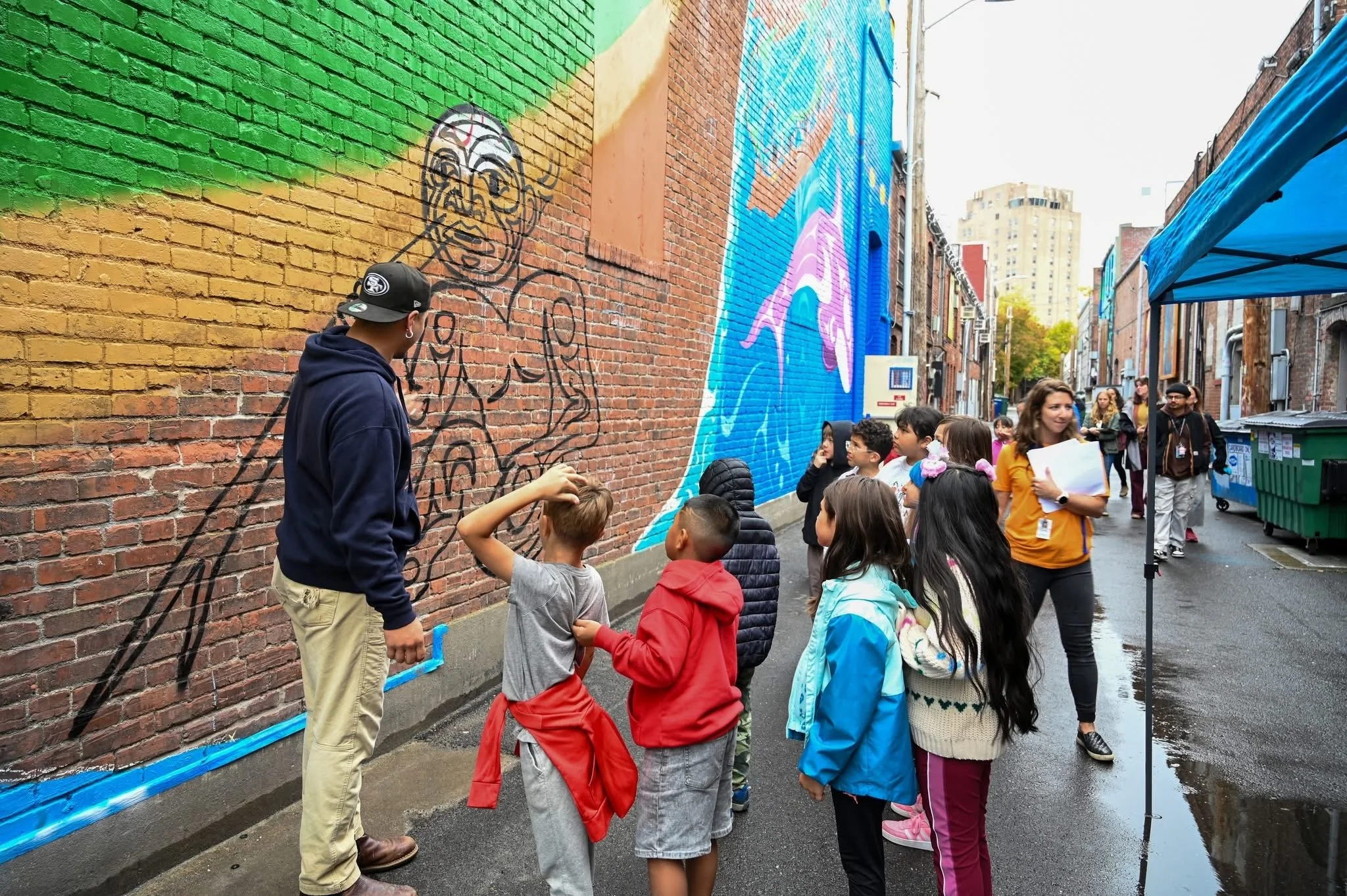
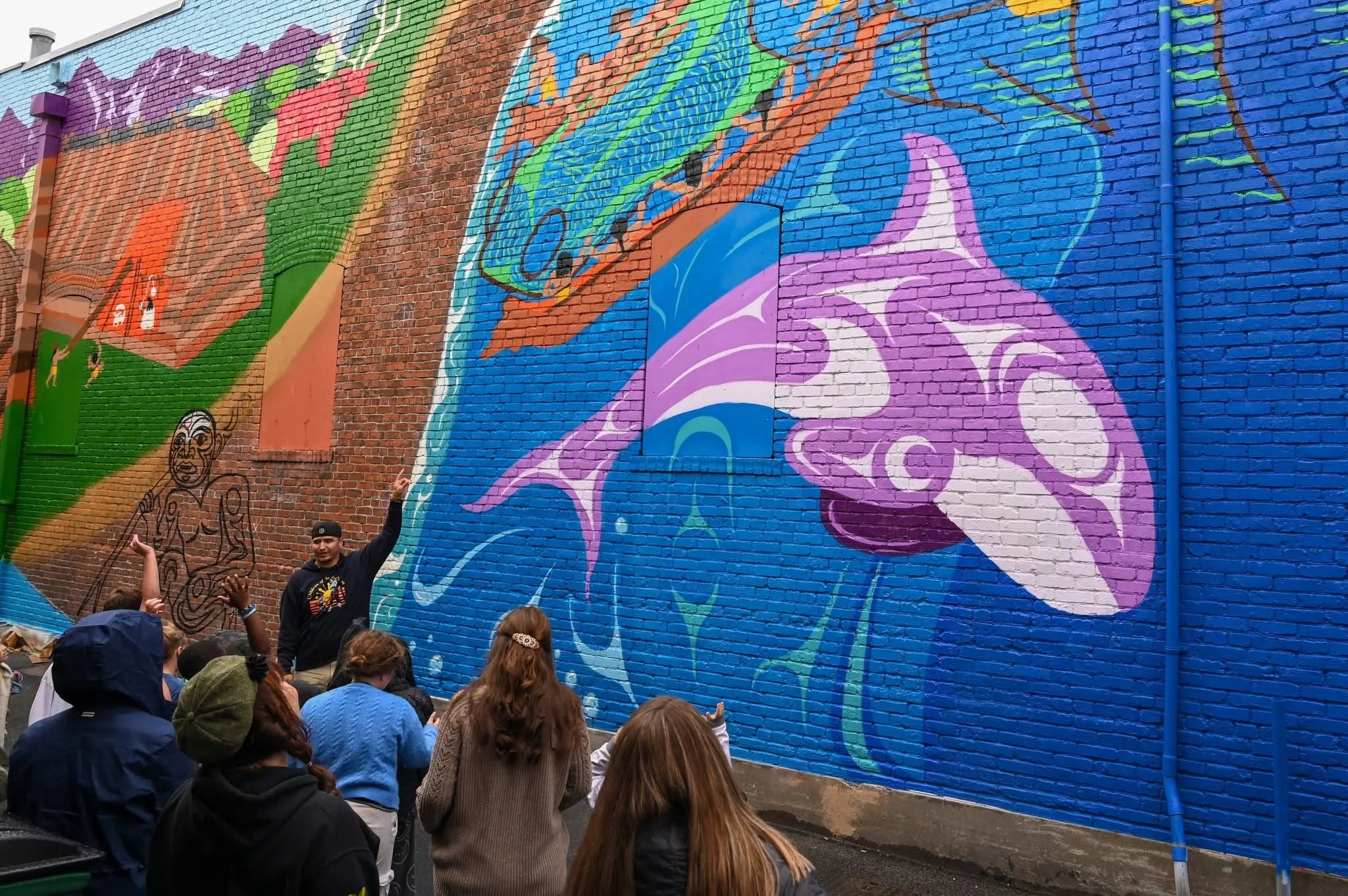
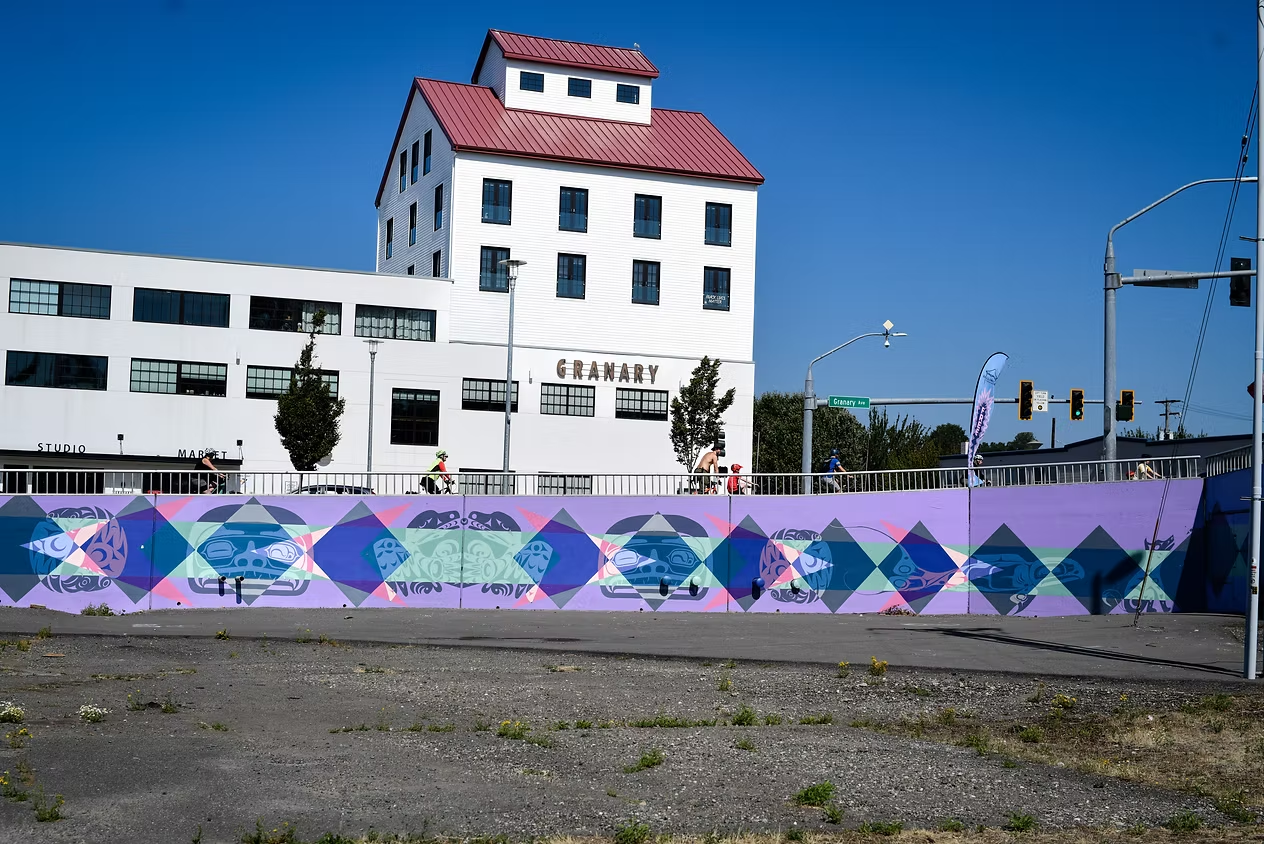
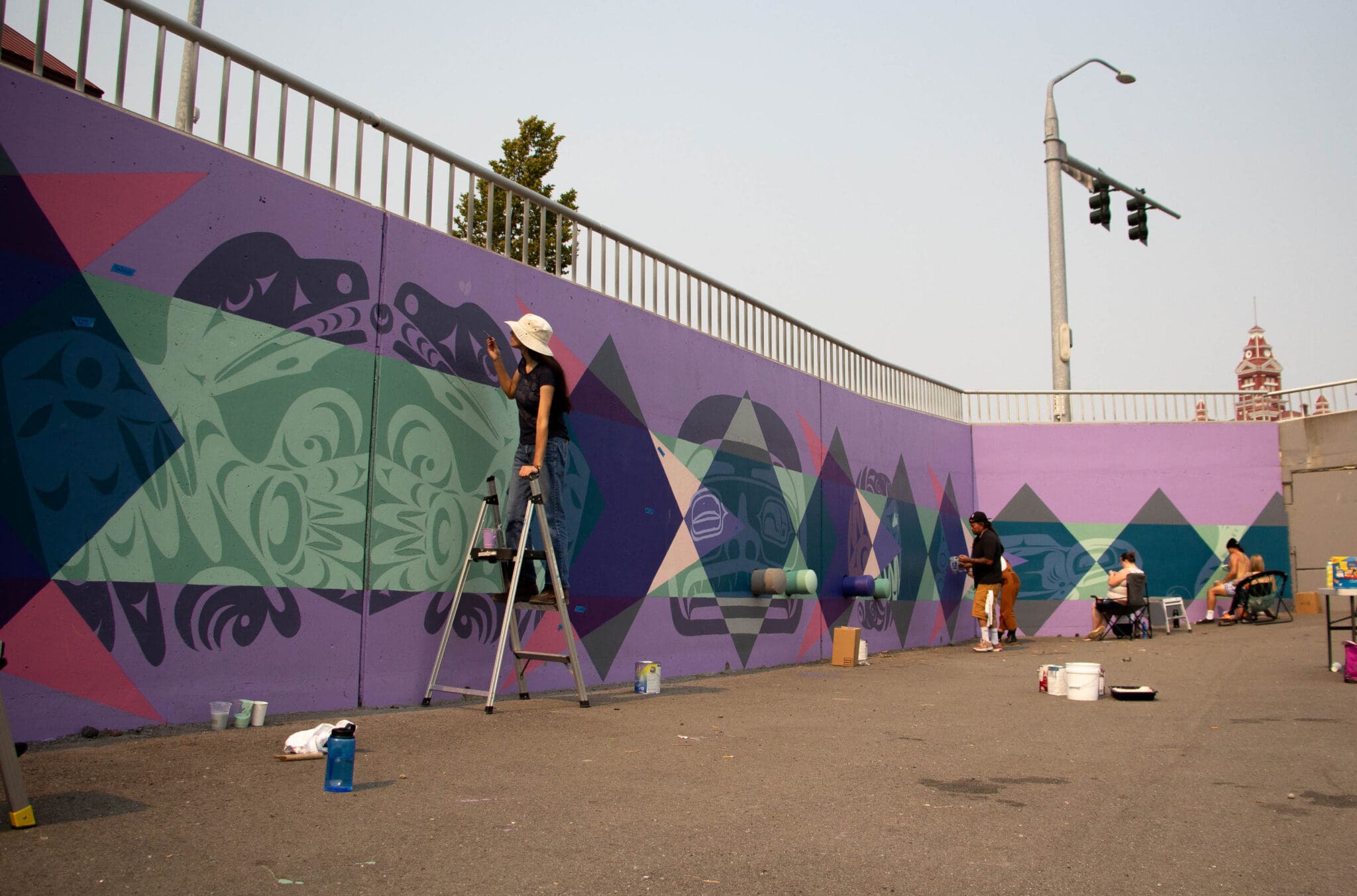
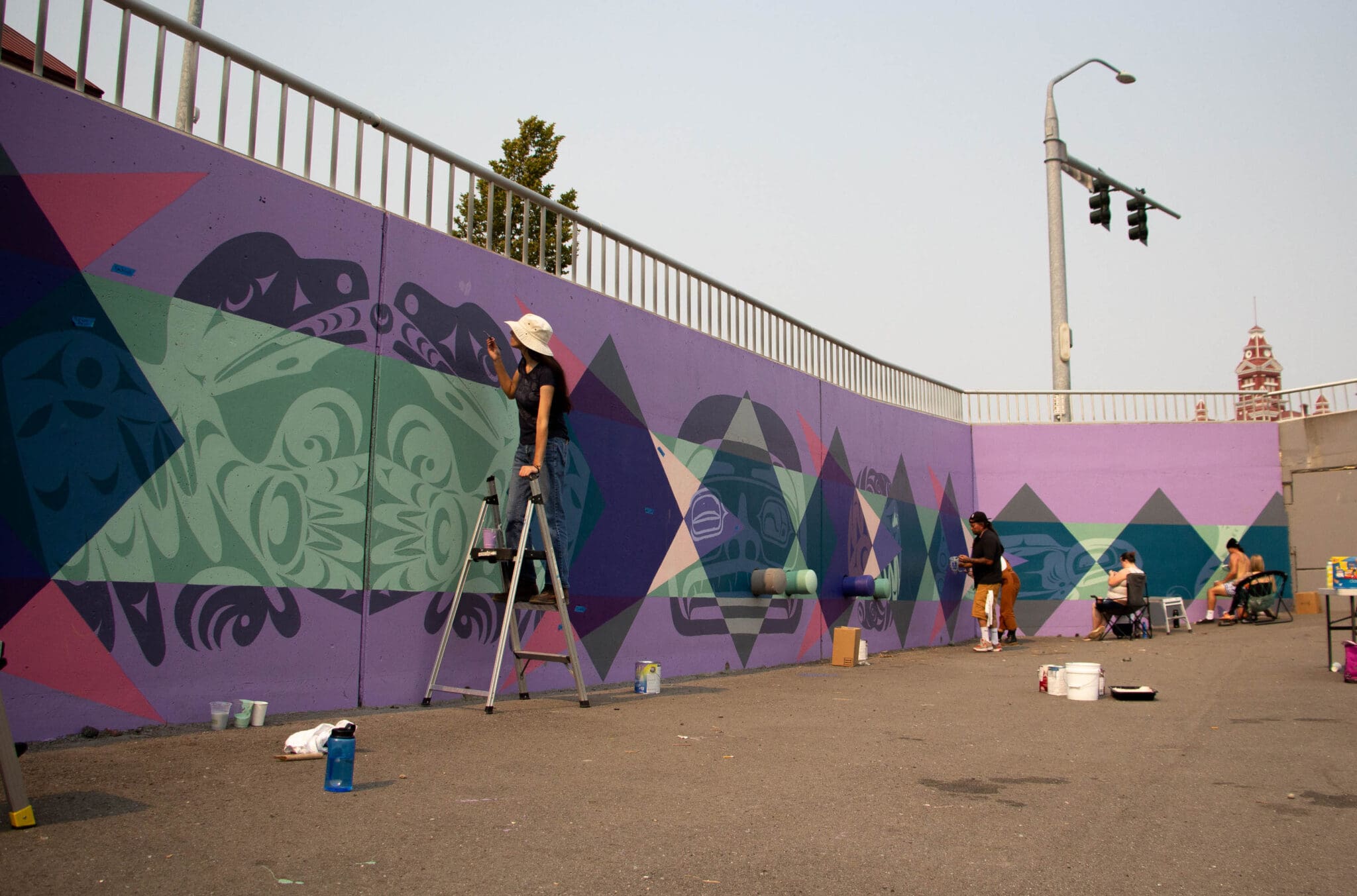
Located in a downtown Bellingham alley near the original Lummi village site Xw'otqwem, this mural honors the stories, presence, and true history of the Coast Salish people on the land where Bellingham now stands. The work features eagle, salmon, and orca alongside traditional ecological technology including reef nets and clam gardens.
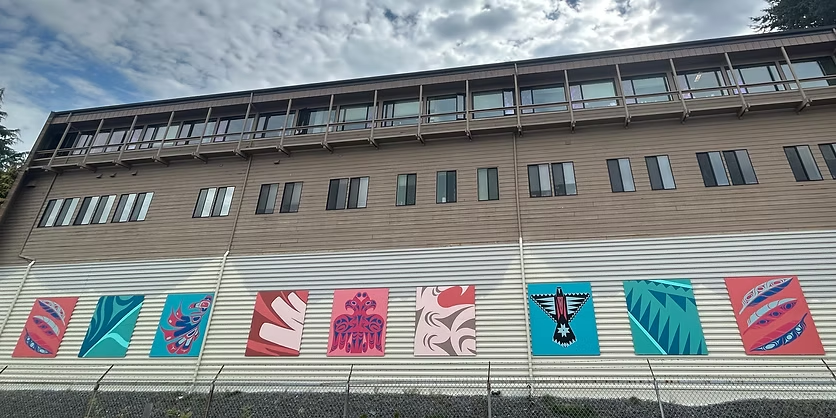
Collaborating with 10+ Indigenous artists on large scale artworks in the greater Bellingham area.
Indigiversal Collective Artists: Thayne Yazzie, Jason Laclair, Savannah Lecornu, Brian Perry, Kaplan Bunce
Read More
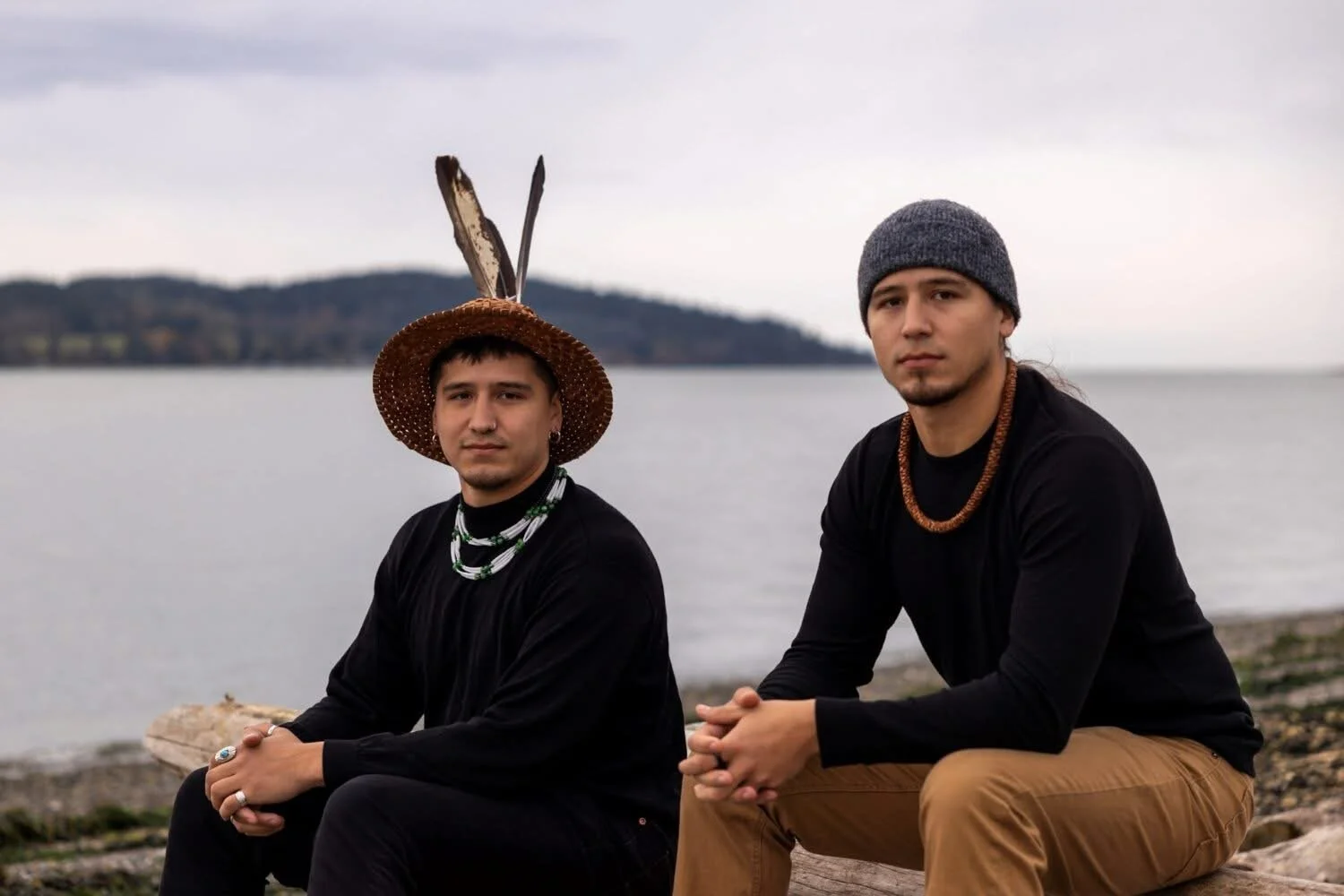
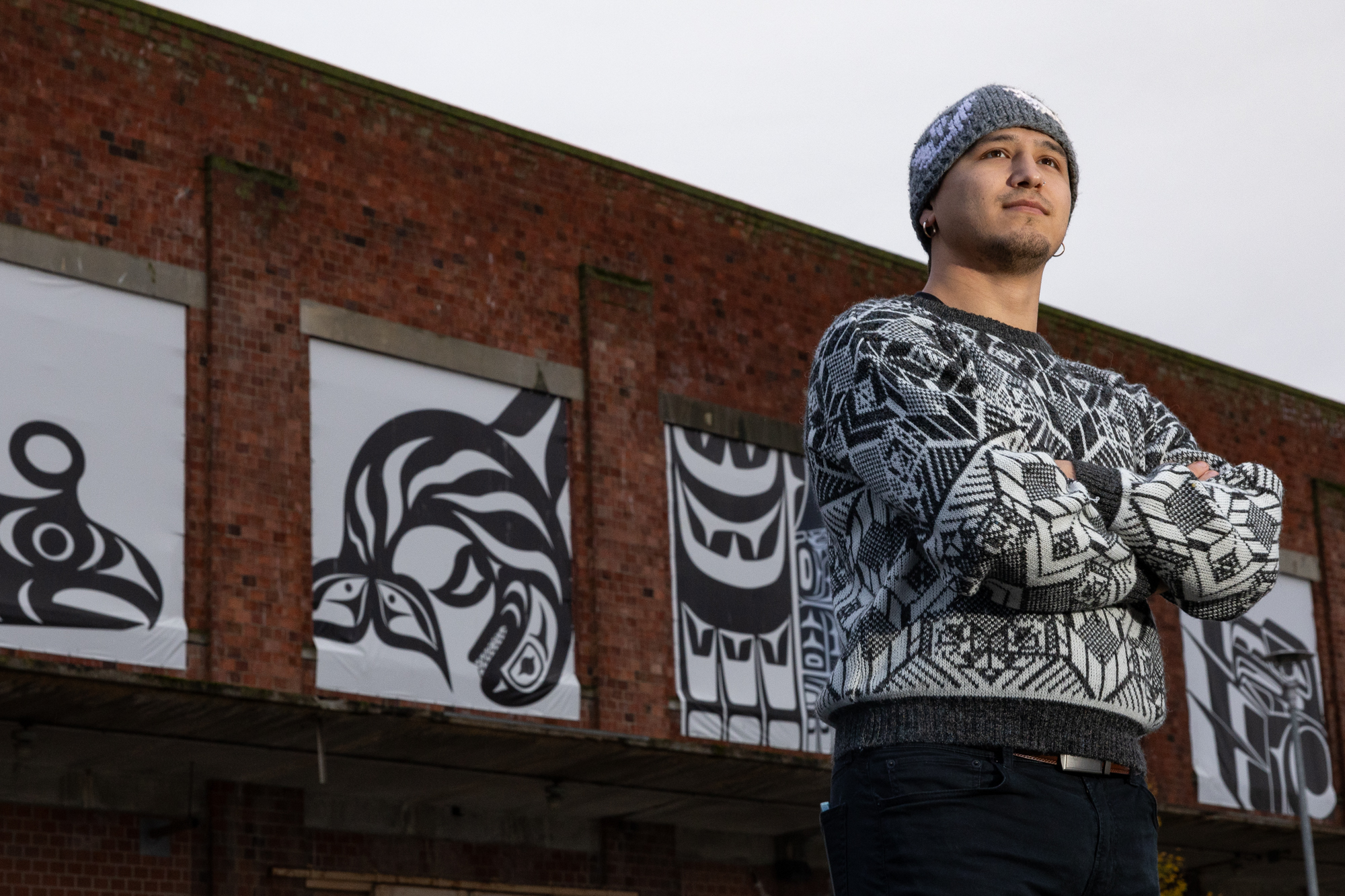
Grounded in the Salish Sea and the traditions of the Lummi Nation, Free Borsey creates art that returns culture to the places it was always meant to be seen. His work is made with community, not for it. Tsx'vilum Free Borsey
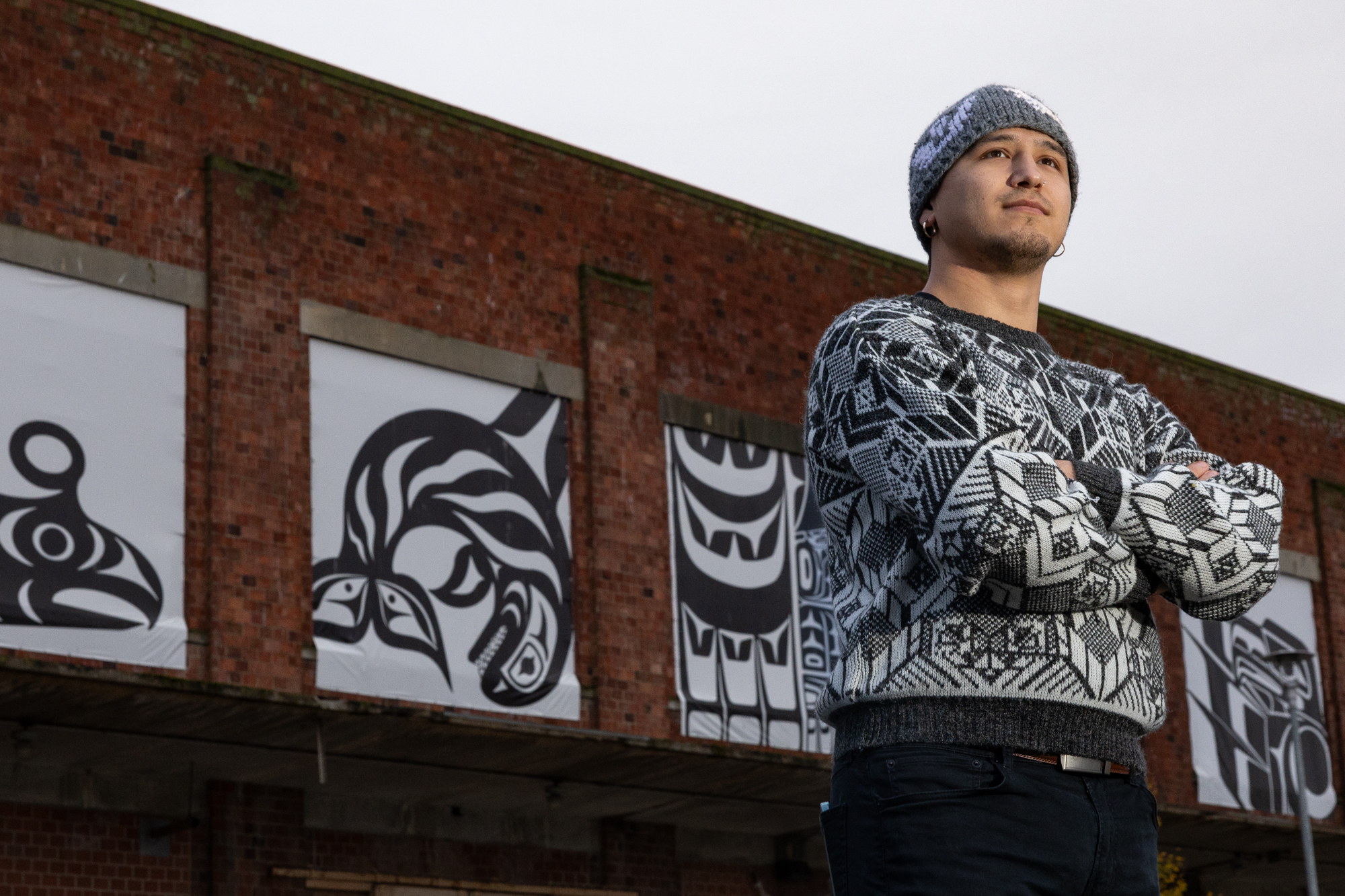
Free Borsey (Tsx'vilum) with his twin brother Raven (Xwesultun), Lummi Nation
Tsx'vilum Free Borsey is a Lummi Nation artist, muralist, and environmental steward whose work lives at the intersection of land, culture, and community. Based in Bellingham, he creates large-scale public art rooted in Coast Salish tradition, making Indigenous stories visible at the scale they deserve. His practice spans murals, cultural education, and youth leadership.
Free Borsey grew up on the Lummi Reservation, raised by his uncle and aunt with deep roots in the land and water of the Salish Sea. His childhood was spent fishing, hunting, running in the woods above West Shore, and playing in the tides on the mudflats. That immersion shaped everything that followed.
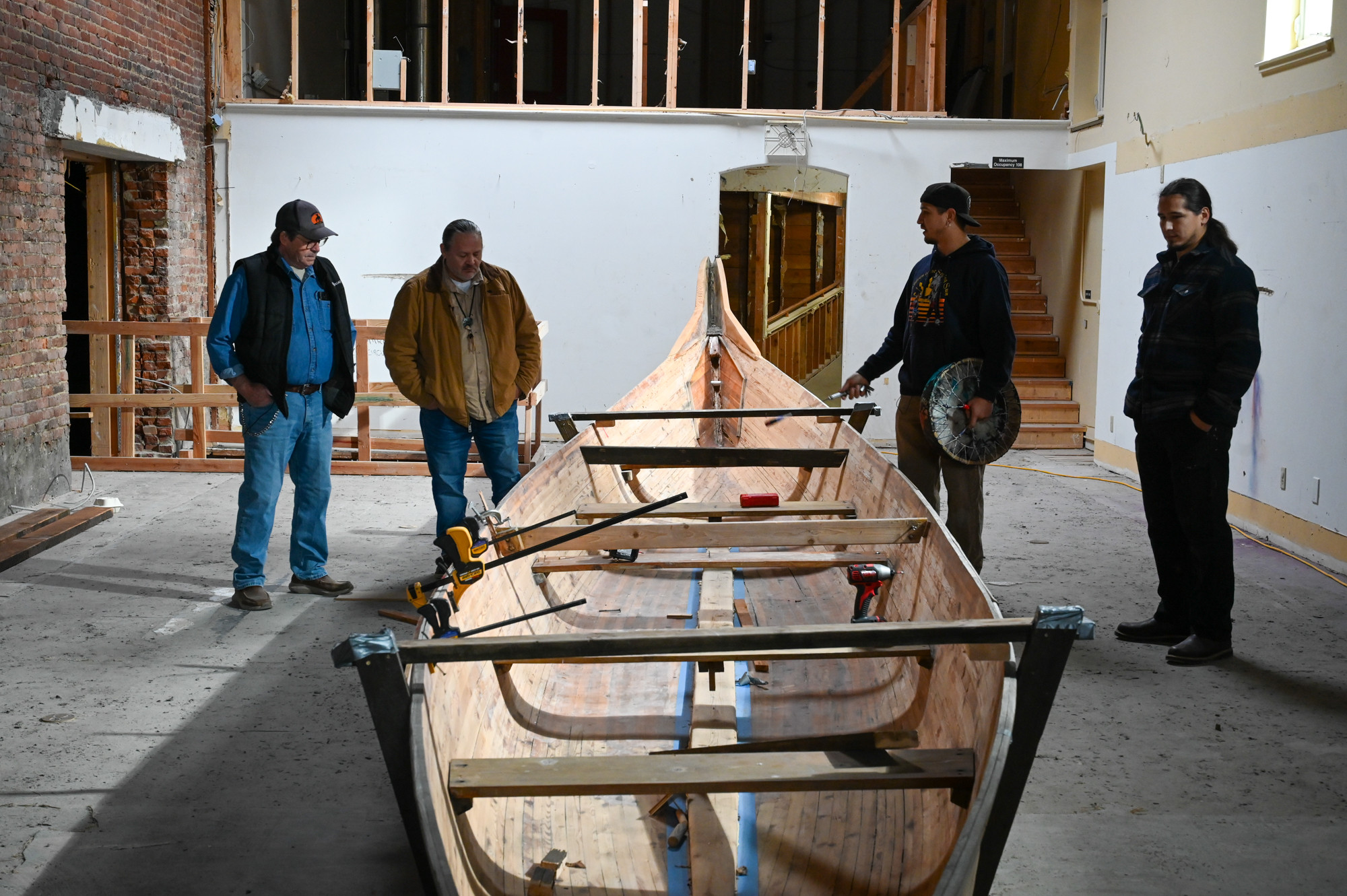
As a teenager, Free joined a 38-day, approximately 650-mile canoe journey that would become a turning point in his relationship to Lummi culture and tradition. The experience of paddling ancestral waters, of moving through the land at the pace the land requires, became the foundation of his practice as an artist and advocate.
After returning from Olympia at the end of COVID, he joined Children of the Setting Sun Productions, where he spent time traveling to interview elders and community leaders, documenting the knowledge and voices that hold the culture together. That work shifted him toward Native Environmental Science and toward art as a form of cultural preservation and activation, not documentation.
His visual practice blends Coast Salish formline with realism, grounding traditional imagery in the land and ecology that gave rise to it. He describes his art as "a map in a way. It should reflect the land, the people of that territory and what teachings these people received from the land." He brings that orientation to every mural: the wall is not a canvas. It is a piece of land that the story lives on.
Across all work
EnvironmentalSubject matter expert on environmental issues; advocacy, education filmmaking, and community documentation work focused on bridging Indigenous knowledge systems with environmental science.
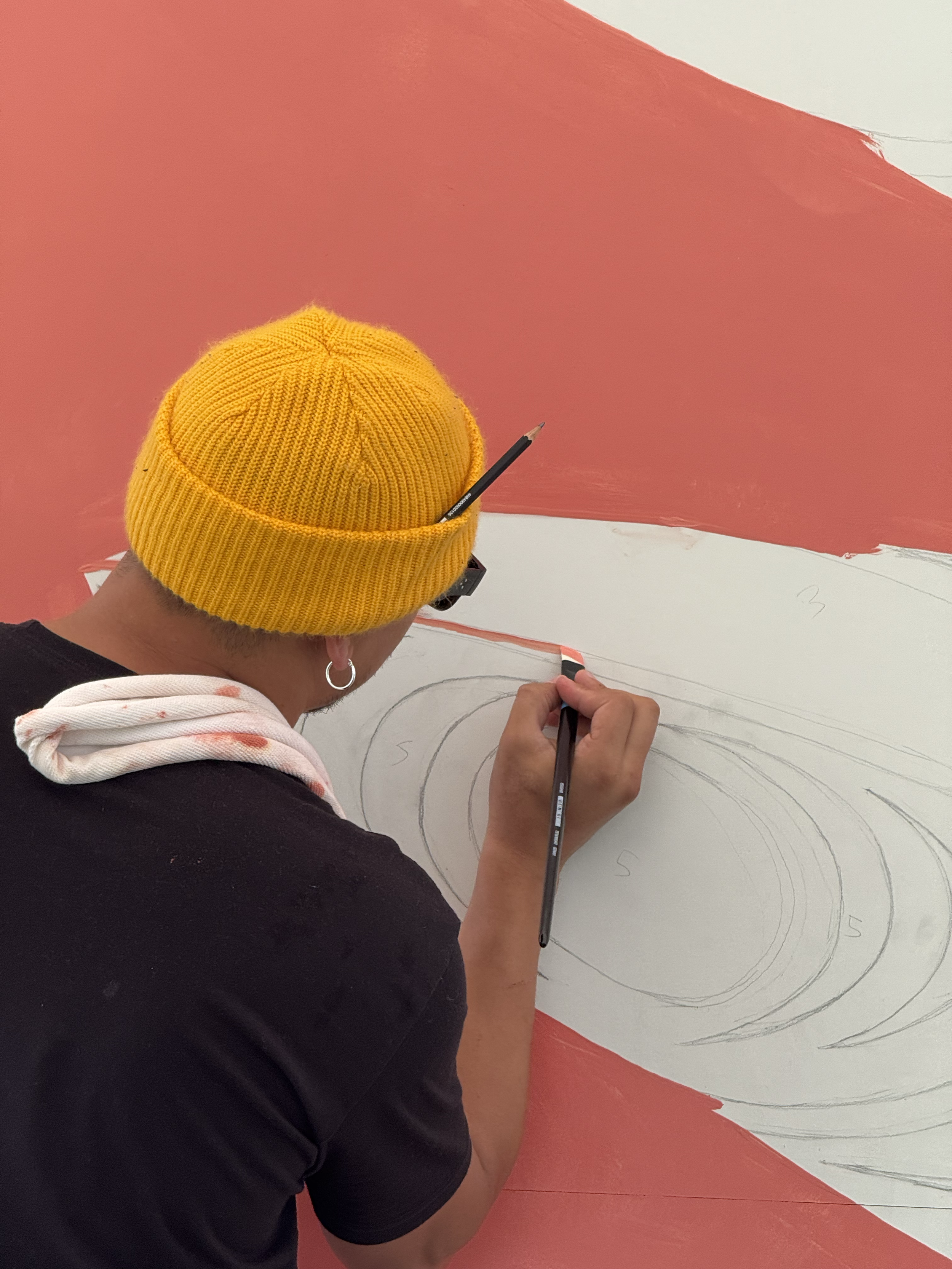
Led design and execution of the 80-foot mural at 210 W. Holly St., including creative direction of the projection mapping layer and collaboration with Raven Borsey and Roy Nicol.
One of 10 Indigenous artists creating a 150-foot collaborative mural at the inaugural Noisy Waters Mural Festival, Bellingham waterfront, 2023.
Cultural accelerator supporting artists and creative communities; live art activations at Northwest Tune Up Festival and Downtown Sounds, 2024.
80-foot walls to 150-foot festival pieces. Creative direction, team collaboration, and solo execution. Coast Salish formline blended with realism at the scale public space demands.
Traditional oral literature made visible: coyote stories, reef net knowledge, clam garden ecology, orca and eagle. Imagery rooted in the specific territory and teachings of the land.
Bridging science and spirit. Visual work that holds Indigenous ecological knowledge and makes the case for land stewardship through cultural presence rather than data alone.
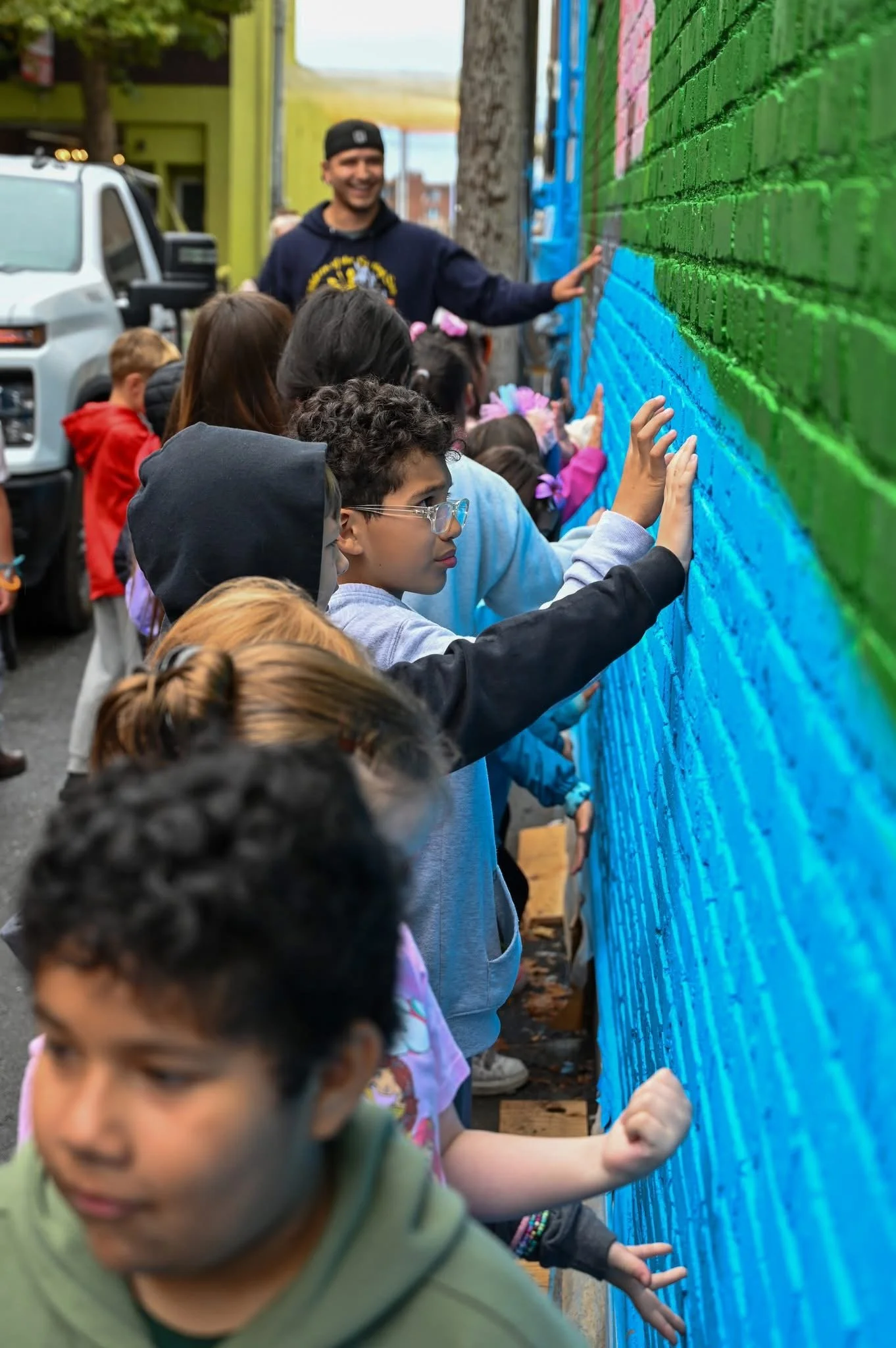
Live art activations, festival participation, youth mural co-creation. The community shapes the work. Free's practice treats the people in a place as collaborators, not audience.
Bringing young people into the mural process as participants. Cultural transmission through making: elder interviews, environmental education, hands-on art that passes knowledge forward.
Extending the mural beyond paint through nighttime projection mapping. Traditional stories animated across the surface of the wall, adding an interactive storytelling dimension to permanent public work.
Start a conversation.
Reach Out
Start a conversation with Free Borsey.